
Home > News
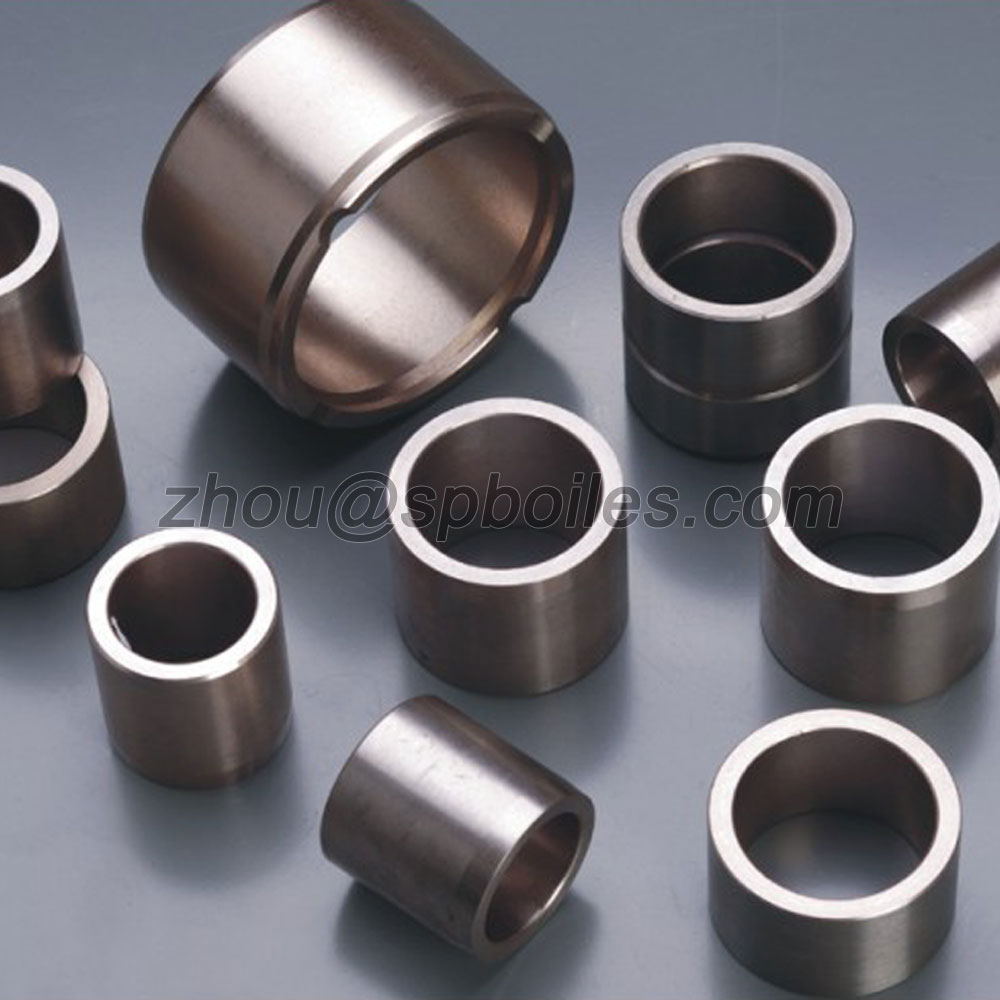
The demand for high-performance, cost-effective components in CNC machining, injection molding, and die casting continues to drive material innovation. According to a recent industry report, sintered bearings are widely used in automobiles and office equipment, with applications requiring a high level of sliding performance, such as in power window motors or laser printers, often utilizing bronze-based materials. However, with the increase in the price of copper in recent years, there has been greater demand for sintered bearings made of alternative materials, creating a shift in the market. This trend is pushing the development of advanced iron-based and steel-based sintered solutions that offer comparable performance.
The industry relies on established standards to ensure component reliability. Sintered bearings for precision equipment are often manufactured to specifications like MPIF FC-0200 and DIN standards, such as DIN 30910, which covers materials like SINT-C11 iron-copper-graphite. These standards define the material composition and performance characteristics critical for applications like CNC guide bushings and linear motion systems. The evolution in Powder Metallurgy is constant; a 2025 industry publication noted key trends include using new materials, developing new techniques, and increasing the integration of sintering in additive manufacturing. There is also a growing focus on sustainability, with efforts to make the sintering process more energy-efficient.
In precision equipment, components like guide bushings, alignment sleeves, and screw bearings face continuous sliding contact, high loads, and variable speeds. Copper-infiltrated sintered steel bearings answer this need by combining high strength and wear resistance with the thermal conductivity and self-lubricating properties traditionally associated with bronze. This material synergy is important for maintaining precision in die casting guide pins or extrusion screw bearings, where heat dissipation and dimensional stability are paramount. The realm of sintering is seeing developments aimed directly at such high-performance niches.
Selecting the right bearing material involves balancing cost, performance, and manufacturability. The ongoing industry shift away from pure copper-based materials, driven by cost pressures, highlights advanced sintered steel alloys. Engineers must consider factors like enhanced load capacity, compatibility with modern CNC machining of powder metal parts for final tolerances, and adherence to international material standards. As the industry advances, these sintered components will remain foundational to precision motion and alignment systems. We provide a range of these critical components designed to meet the rigorous demands of modern precision equipment.
Contact: Sales Department
Phone: 13974953910
Tel: +86 731 84477600
Email: [email protected]
Add: Houtang Inustrial Area,Genglou Street,Jiande,Zhejiang,China